We Didn't Start the Fire... Or Did We?
Several cities in the United States, and around the world, have experienced a fire or two in their history that was completely devastating, yet resulted in the growth of their metro area. Many times, this is because companies will send resources to a city to help it recover from a fire and establish a presence there, increasing jobs, and increasing the number of people living in the area.
You could compare some of these cities to a Phoenix with the way they "rise from the ashes", and yes, Phoenix, Arizona, did have a massive fire in 1916, befitting to their name, I suppose.
So, what does this have to do with conservation?
Fire departments across the nation have learned valuable lessons from the fires that have consumed the cities of America. Smoke detectors, fire sprinkler systems, the placement of fire hydrants, and so much more have all been learned from lessons at a great cost. Safety regulations against flammable materials have also arisen. This is all to help us prevent more human-created fires that can be detrimental to not only the homes of people, but also the homes of animals within the populous areas and the nature which surrounds it. It helps us prevent releasing harmful chemicals into the air and ground due to fire.
Let's take a look at a few cities I have been to, and how fires have started there. Here comes a cliché: It is from knowing about our past that we can learn to care for our futures.
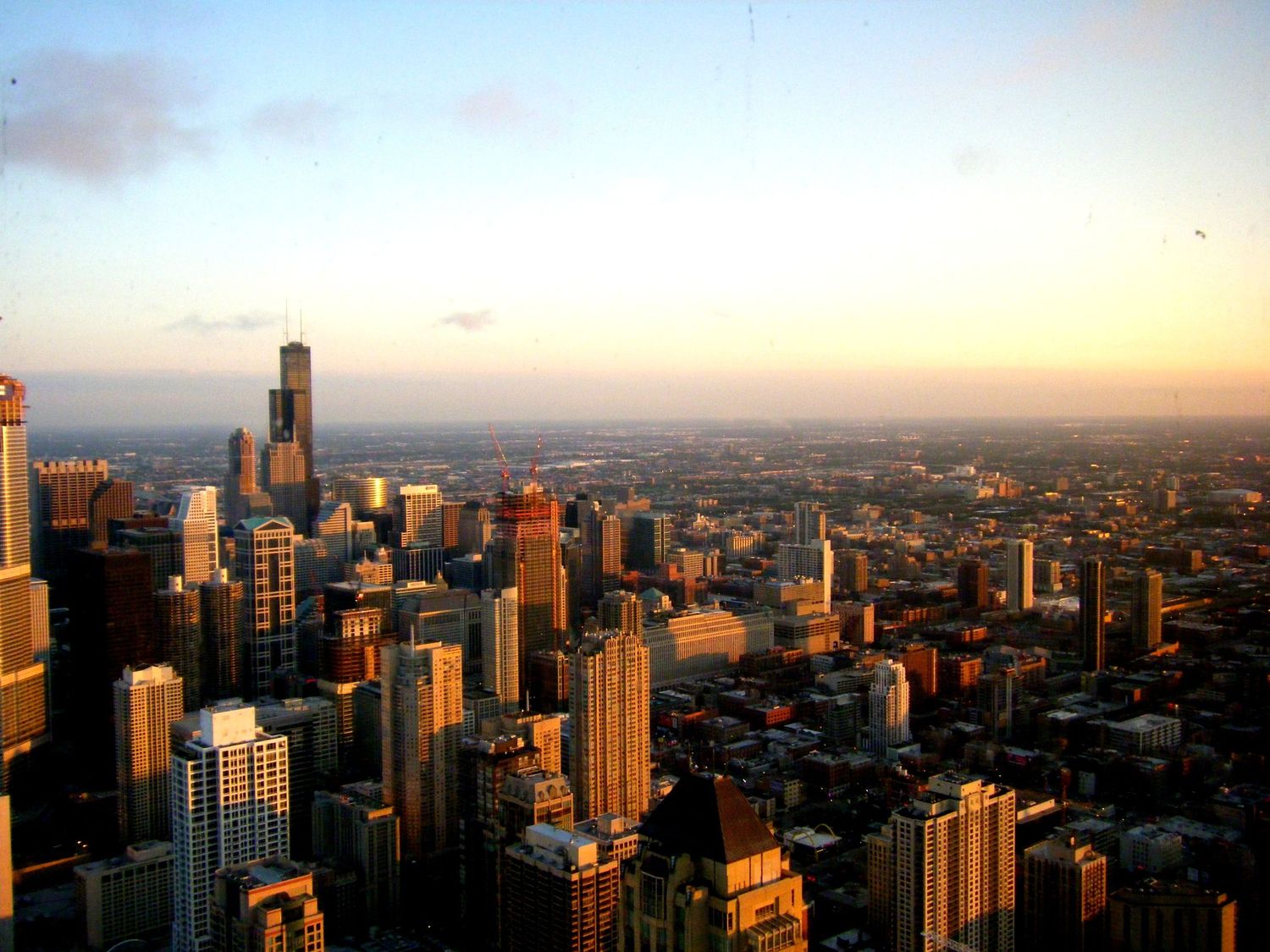
Chicago, Illinois
Chicago probably has one of the most famous "Great Fire" stories. The Chicago Fire occurred in October of 1871 on the Southwest end of the city. The fire started in a barn owned by Patrick and Catherine O'Leary, where it continued burning for a whole day, killing three hundred people. Legend has it that a cow kicked over a lantern in the barn, causing the fire.
The fire spread to Chicago's business district, destroying over 17,000 buildings. Many of the buildings and sidewalks were wooden at that time and had dried out from the lack of rain the Chicago area was experiencing the summer before the fire. The Waterworks - the main source of water for the fire department was destroyed quickly after the fire started.
Most of the industrial district survived. Stockyards, packing plants, wharfs, lumberyards, and mills were left untouched by the flames. These companies were able to employ many of the people who were misplaced by the fire to help keep the economy afloat. Fortunately, many of the railroads were also not damaged, meaning that shipments aiding the city could make it into the metropolitan area.
Laws were put into place to ensure that new buildings were created using fireproof material. This unfortunately caused urban gentrification because the poorer citizens could not afford the more expensive, fireproof materials to rebuild their homes, nor could they afford the fire insurance.
What did we learn:
- Use material that is more fireproof for buildings
- Don't leave lanterns on the ground where cows make kick it over causing a fire
Denver, Colorado
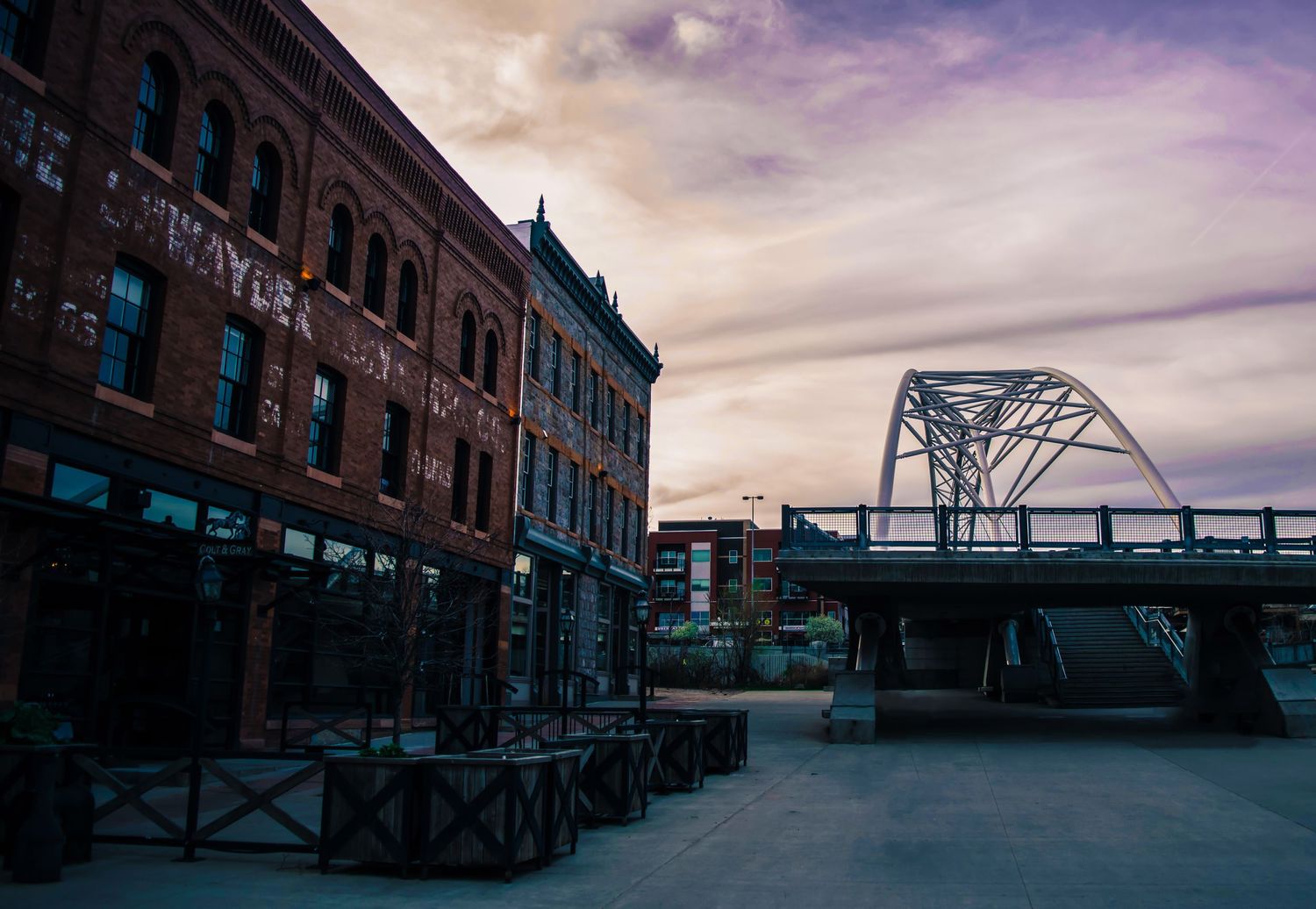
Downtown Denver burned to the ground in 1863 thanks to its dry climate, high winds, and wooden structures. The fire started in a saloon, and despite an immediate response by the volunteer fire department, the fire spread quickly.
Denver businesses worked quickly to rebuild, this time using brick for their buildings. It was put into law that buildings should be built with brick moving forward. It is said that this change in material caused Denver to appear as more of a city than a temporary establishment.
The city would not grow until after the United States Civil War, which ended in 1865.
What did we learn:
- Using bricks ensures buildings are not as flammable
San Francisco, California
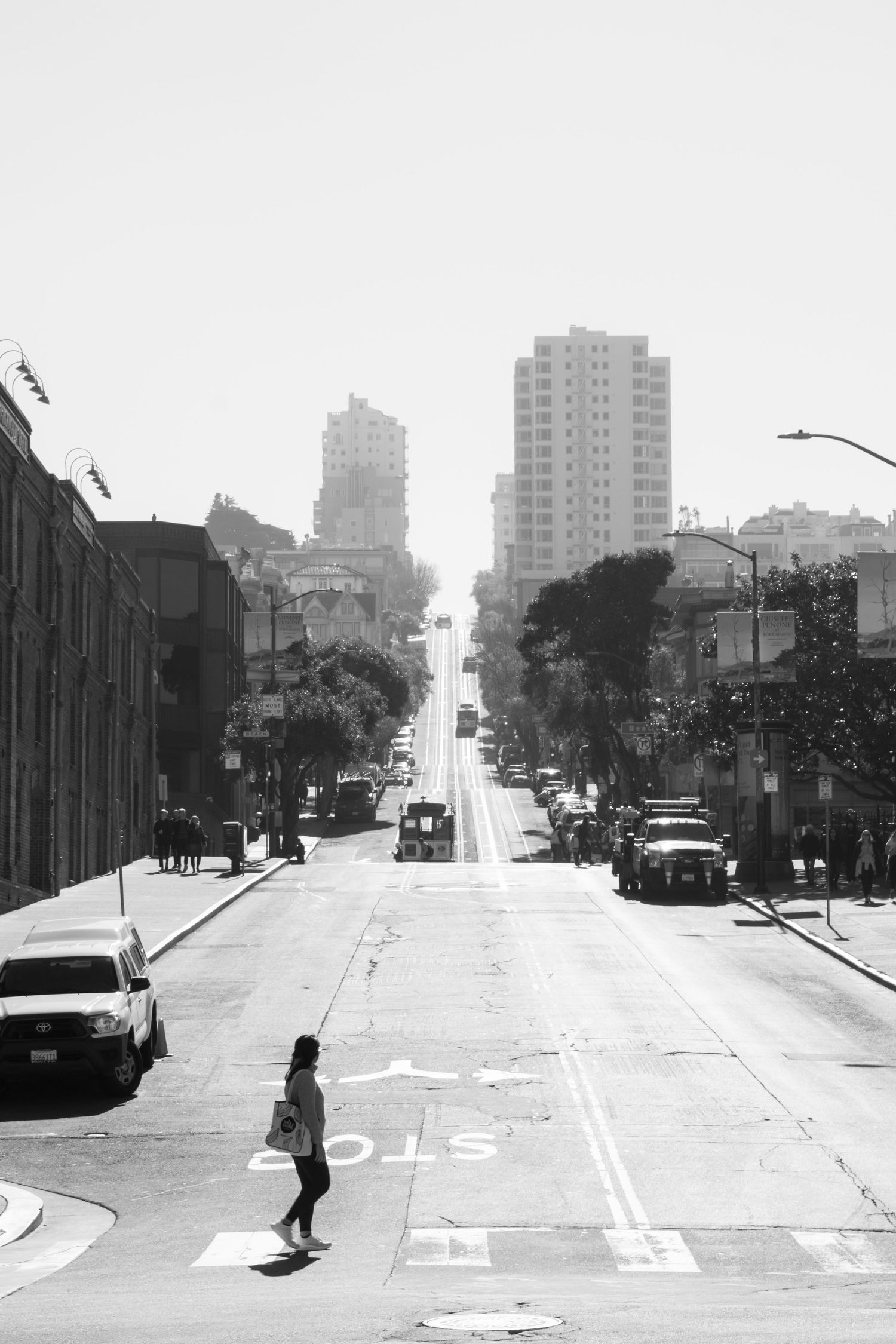
San Francisco experienced a devastating earthquake in 1906 that caused fires to spread throughout the city. The fires lasted for several days, and between the quake and the flames, over 3,000 people died. This event is considered the greatest loss of life due to a natural disaster in California's history, and is one of the largest losses of life in the history of the United States overall for natural disasters.
It's estimated that there were over thirty fires, caused by damages to gas lines from the earthquake. One of those fires was caused by a damaged stove chimney, and other fires were caused by the fire department attempting to use explosives to create a fire line. Several people set fire to their buildings after learning that they did not have insurance to cover damages from the quake, but would have coverage for fire damage.
The United States Army was called in to help take control of the situation in San Francisco. They marched the streets of San Francisco, helping prevent looting, they guarded important buildings, and they helped to shelter and feed the tens of thousands of misplaced citizens.
The state of California worked quickly to rebuild the city, which had previously seen seven devastating fires between 1849 and 1851. Washington and Oregon provided timber, surging rebuilding efforts. A baseball game in New York was played to raise money for the survivors of the earthquake. Reconstruction was completed by 1915.
What did we learn:
- Using explosives to create fire lines doesn't always work.
- We need to ensure that chimneys are cleaned and inspected for use
- San Francisco is prohibiting gas lines from being used in new builds
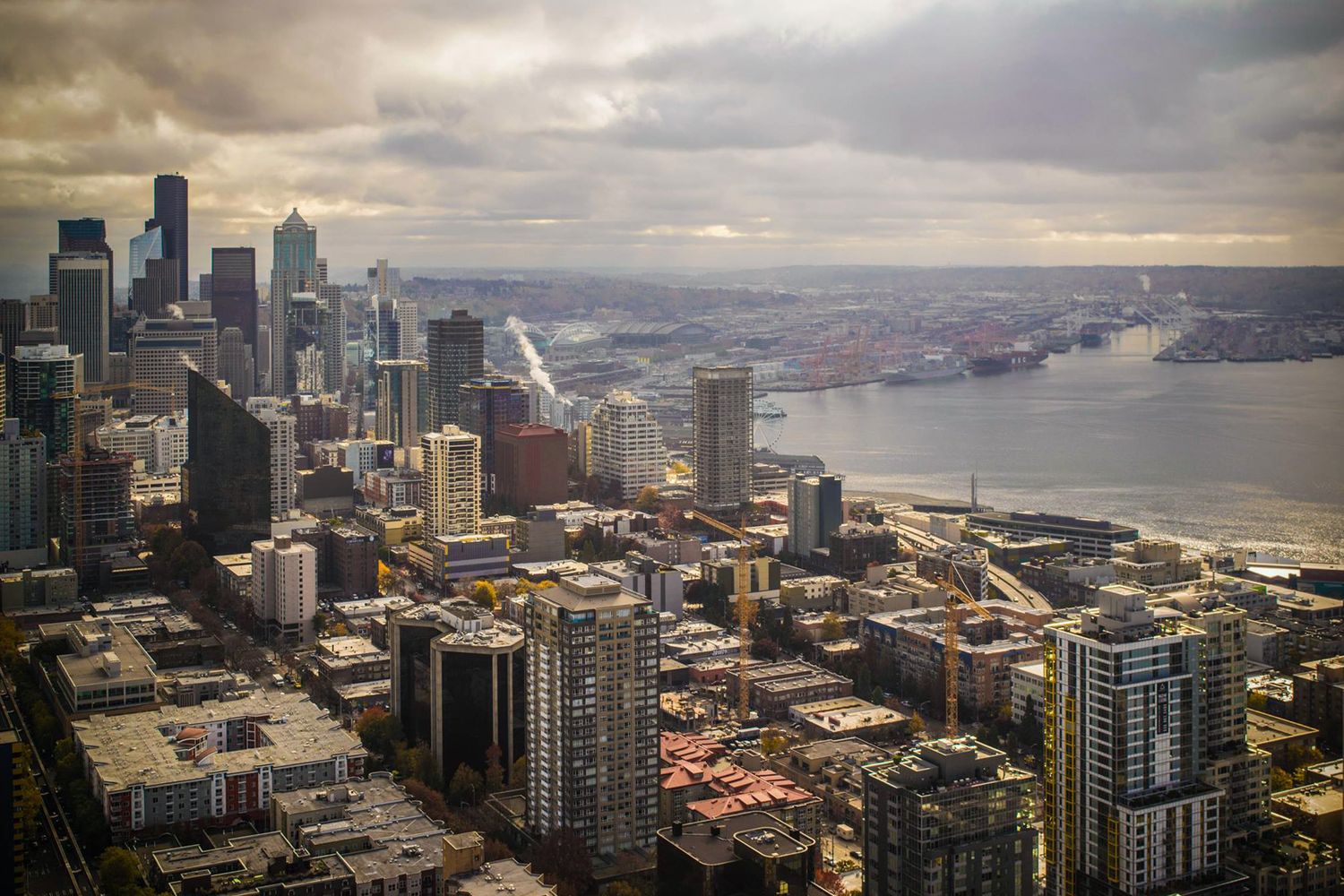
Seattle, Washington
I personally did not know that Seattle had a great fire until I visited the city and did the underground tour.
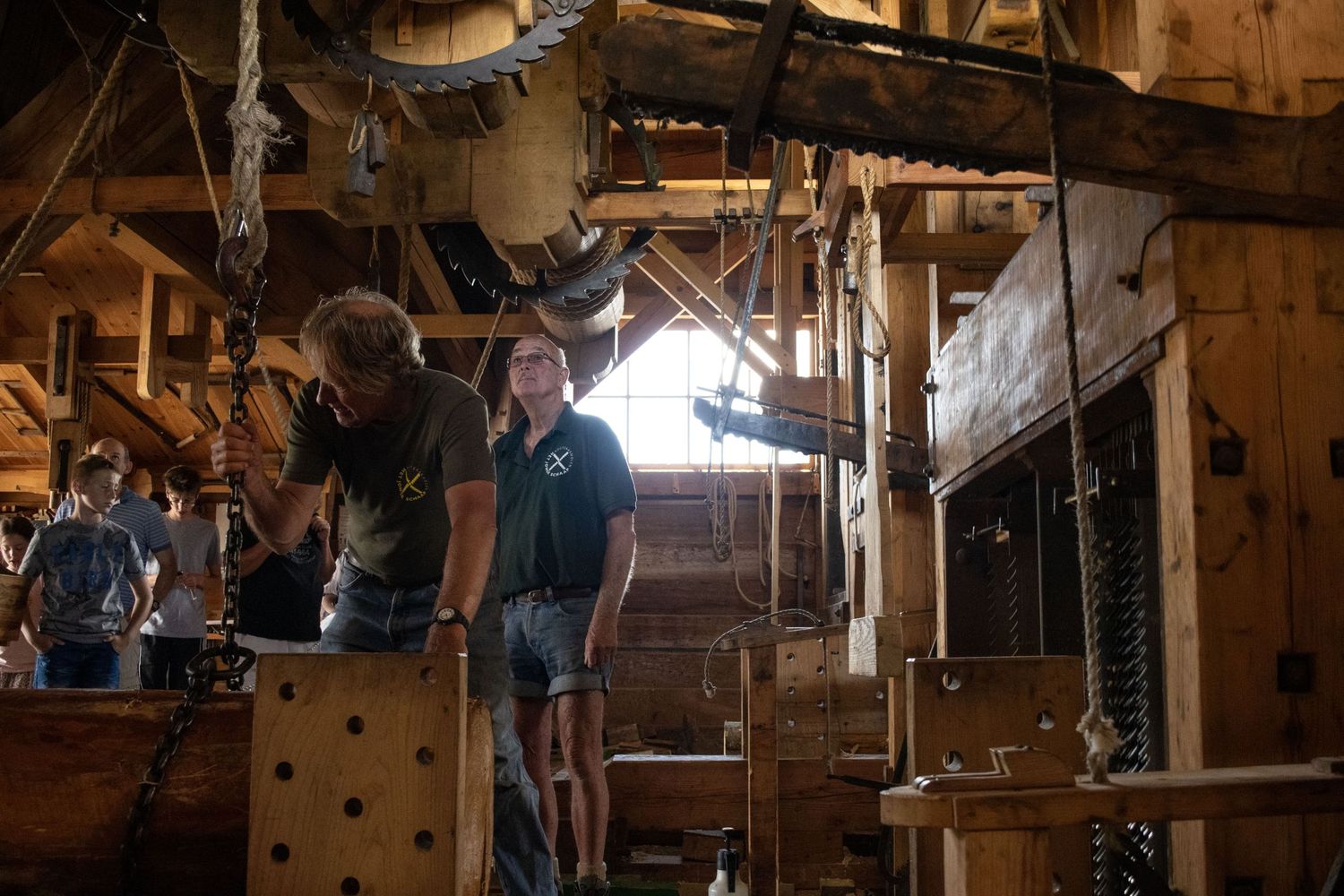
The Great Seattle Fire took place in June of 1889. A young apprentice in a carpentry shop accidentally let a hot glue overflow its pot and it started a fire. He poured water over the hot glue, which was essentially a grease fire, which caused the fire to quickly spread to the paint store above the carpentry shop and spread across the Seattle business district from there. The buildings were made of wood, and the fire leapt from building to building, making it to a liquor store where the fire exploded from there. The sidewalks were also wooden at this time, and the fire continued to spread, crossing streets thanks to the wooden walkways.
The volunteer firefighters responded immediately to the fire, but they hooked up to too many of the hydrants which caused low water pressure in the fire hoses and they were unable to put the fire out. They even tried to get water from Elliott Bay, but the tide was out, and the efforts were fruitless.
The fire burned twenty-five city blocks, yet zero deaths were recorded. The citizens of Seattle decided to rebuild, and people from all over flooded in to help. The population of Seattle actually doubled, creating a larger metropolitan area than what existed prior to the fire.
An ordinance was put in place stating that the new buildings during the city rebuild be made of fireproof material, though there's not a record of gentrification occurring from this change.
What did we learn:
- Once AGAIN: STOP making wooden buildings
- Wooden sidewalks = dumb idea
- How water pressure works
- Having access to water is very important
- Don't put water on a grease fire